Aquaculture management software
AquaOS is aquaculture management software for hatcheries, shrimp farms, RAS facilities and fish farms. Every batch, feeding, transfer, sort, harvest and mortality event lands in one record, with what the feed cost and what is still under treatment held against the same fish.
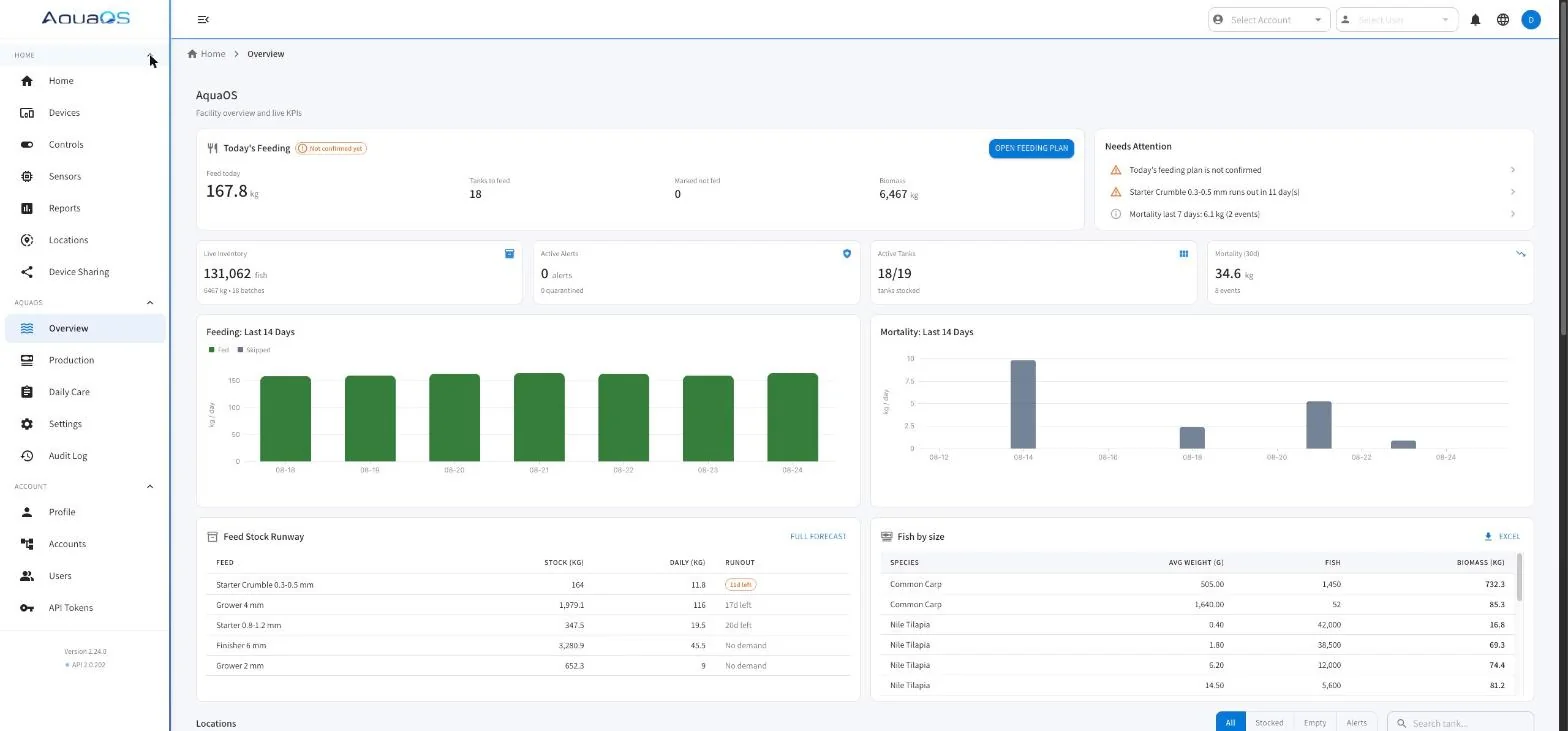
- Stock to harvest
- One continuous batch record
- Tank level
- Every event attributed to a unit
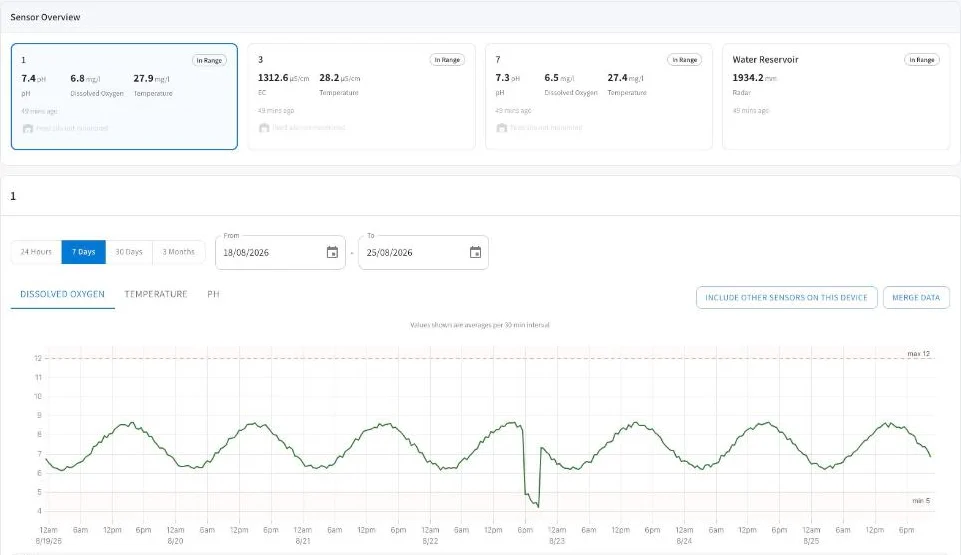
- Sensor native
- Water quality writes itself
- Multi-site
- One pond to a group with subsidiaries
On most farms, the production record is split across four systems
A feeding spreadsheet, a mortality notebook, a sensor dashboard, and the memory of whoever has been there longest. Each one is accurate on its own. Together they disagree, and nobody notices until someone needs a number. AquaOS replaces all four with one record.
In a spreadsheet, biomass stays wrong for the whole cycle
Without one record A split moves 40,000 fish between ponds. The feeding sheet updates, the stocking sheet does not, and every plan built on that number is wrong until harvest.
With AquaOS A split is one recorded event. Count and biomass are apportioned to every affected unit the moment it is saved, and the next feeding plan is built on the new figures.
On a monitoring dashboard, sensor data is not tied to the batch
Without one record Water quality lives in a monitoring dashboard that does not know which batch is in the tank. After a mortality event, someone rebuilds the timeline by hand from two systems, days later.
With AquaOS Every reading is bound to the growing unit it came from, so the oxygen curve and the mortality that followed it sit on the same page for the same batch.
From four files, a pond report costs a day
Without one record An insurer, a bank, or an owner review asks for one, and producing it means pulling four files together and hoping the totals reconcile. So it only happens when someone demands it.
With AquaOS The per-pond report is a page load: period, biomass at both ends, feed, mortality, water quality and a timeline, printed to PDF or exported to Excel.
What AquaOS manages
Each area is a working part of the product, not a roadmap item.
Production tracking
Batches from stocking to harvest, with placements, transfers, splits, merges, and co-mingling across ponds, tanks, and incubators.
Lineage carries forward, so any batch traces back to the group it came from.
Production trackingFeeding and feed control
A daily feeding plan generated from a feed matrix keyed to species, weight band, and cultivation phase.
Confirm what was actually fed, mark skipped days, and watch feed runway against stock on hand.
Feeding and feed controlBroodstock and spawning
Broodstock groups, spawning events, hatch results, and failed spawns recorded against the group that produced them.
Fry enter the same batch system as everything else.
Broodstock and spawningSorting and grading
Run a sort as a live session: pull from source tanks, grade into size classes, and place each class where it belongs.
Counts and weights reconcile against the source before the sort closes.
Sorting and gradingWater quality monitoring
Continuous readings from sensors bound to specific growing units, plotted alongside the production record for that unit.
Threshold alarms notify the people on duty.
Water quality monitoringReporting and traceability
Pond status by species, per-pond reports with growth, feed, mortality, and water quality over any period, and a full audit trail of who changed what.
Exports to Excel and print-ready PDF.
Reporting and traceabilityOperations AquaOS is designed around
The production model is configured, not assumed. Species, cultivation phases, growing unit types, and feed tables are all defined per operation.
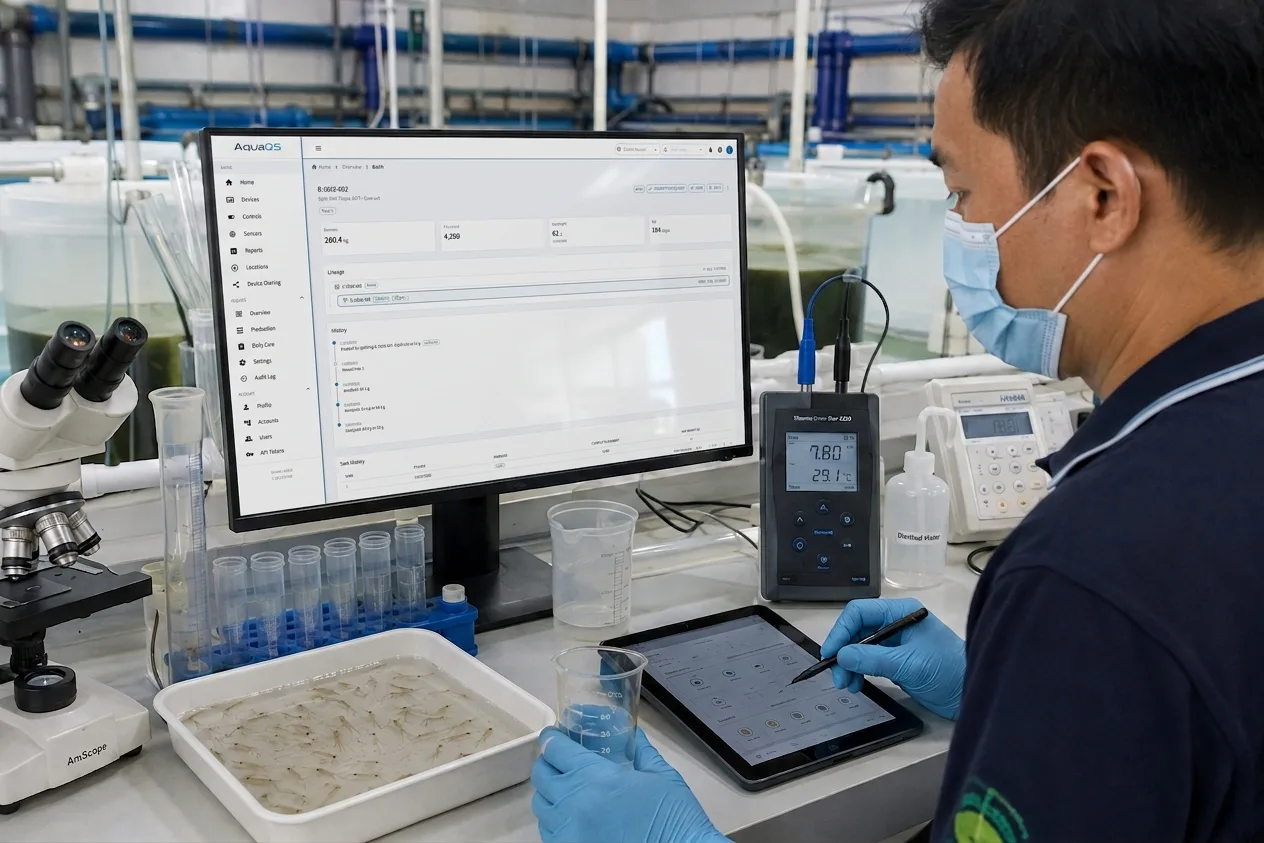
Hatcheries
Broodstock, spawning, hatch, and nursery phases with the splitting and sorting workload that dominates a hatchery week.
Read more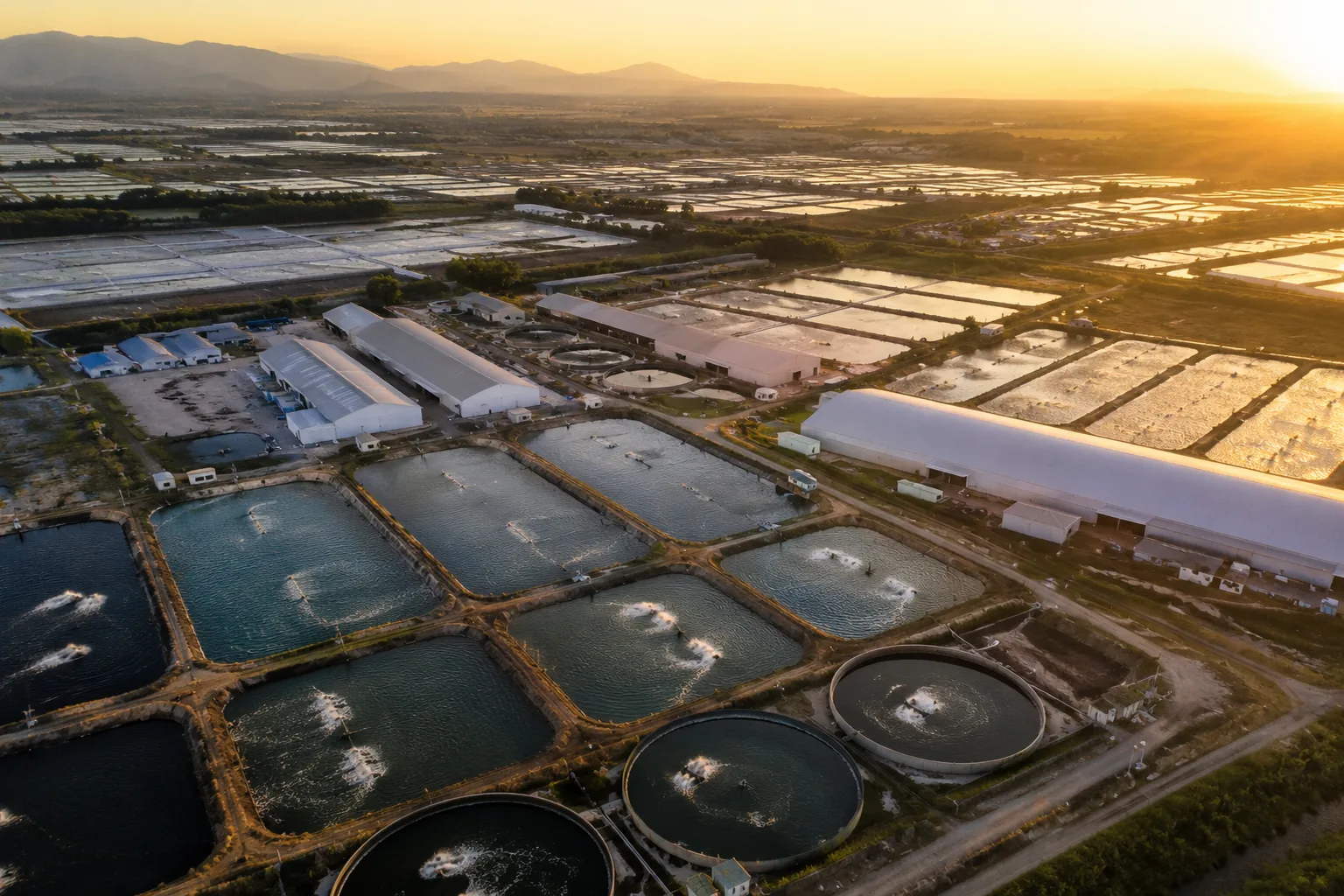
Shrimp farming
Pond-by-pond stocking, feed tables by weight band, and mortality tracking across a cluster of ponds on one site or several.
Read more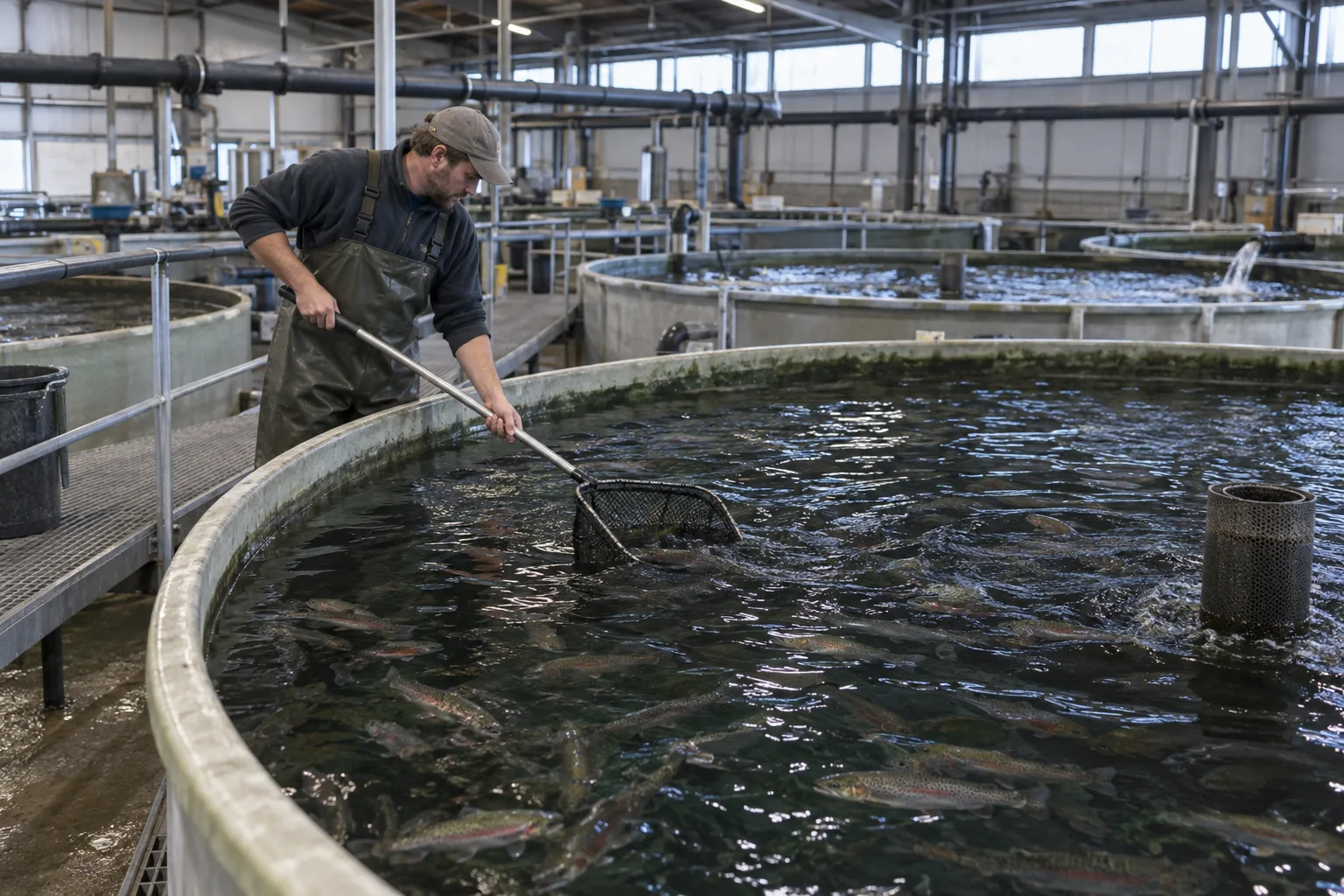
RAS facilities
Tank-level granularity with system rollups, continuous water quality on every tank, and dense stocking that leaves no margin for a stale number.
Read more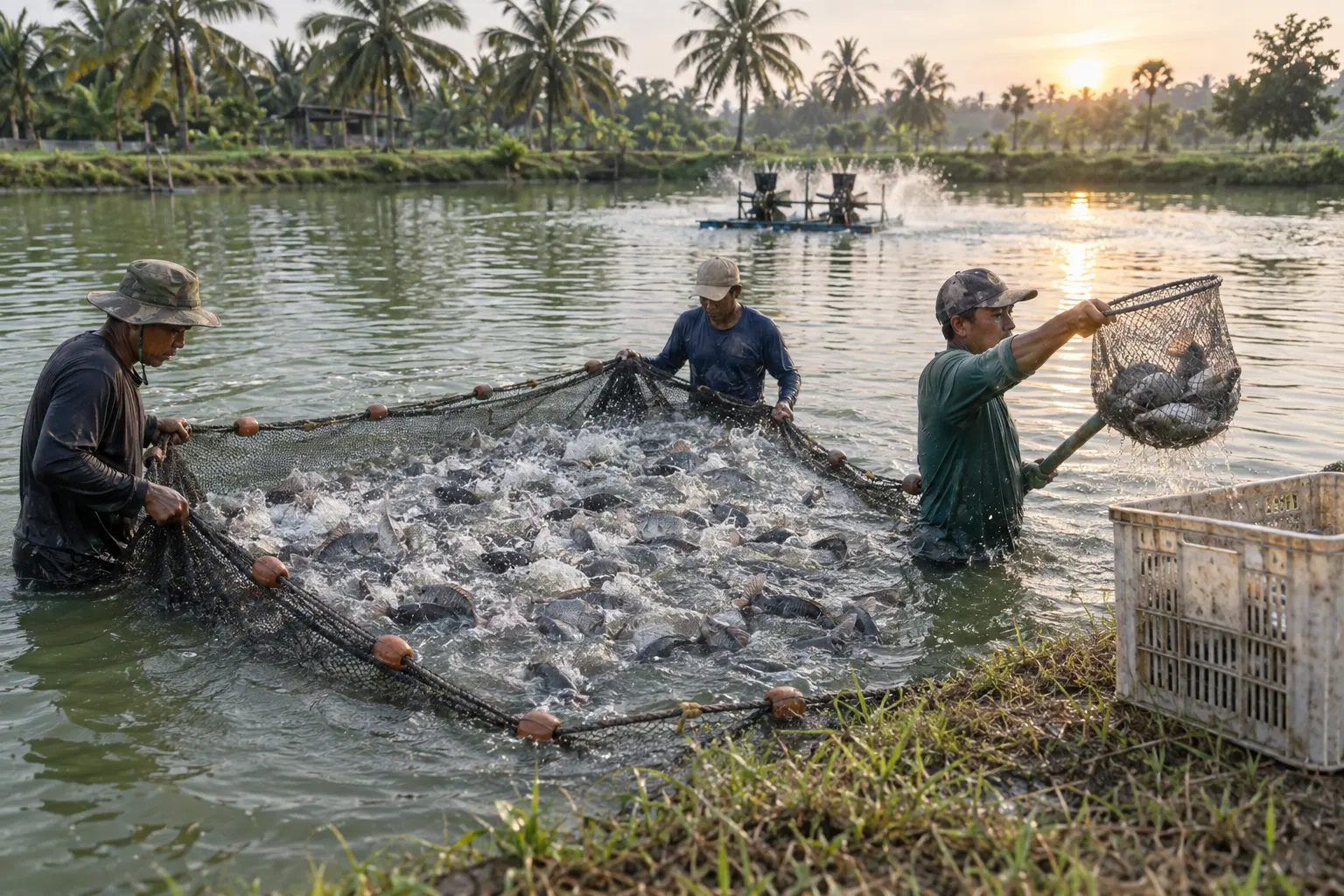
Fish farming
Tilapia, carp, trout, barramundi, and ornamentals in ponds, raceways, and cages, with multi-site rollups for operations spanning regions.
Read moreThe sensor layer and the production layer are the same product
Most aquaculture software vendors have no hardware, and most sensor vendors have no production software. AquaOS is both halves of the stack, which removes the integration project that normally sits between them.
Existing sensors stay in service. A sensor is configured in the platform rather than procured, and there is no requirement to replace working hardware to adopt AquaOS.
How integration works-
Sensors
Dissolved oxygen, pH, temperature, EC, ORP, ammonium, nitrate, turbidity and more, from any modern industrial sensor.
-
Controllers
Field controllers read the sensors and reach the internet over cellular, so remote ponds need no site network.
-
AquaOS
Readings arrive already bound to a growing unit, next to the batch that is in it.
Readings from the tank side, without paper
Not every unit needs a fixed sensor. A digital probe plugs into a phone through a USB adapter, the app reads it live, and the reading goes straight into the record: pinned to the growing unit, tagged with who took it, when, and where. No clipboard, no retyping that evening.
- The same probes that connect to a controller
- Pinned to the growing unit from the phone position
- In the same history as the continuous readings
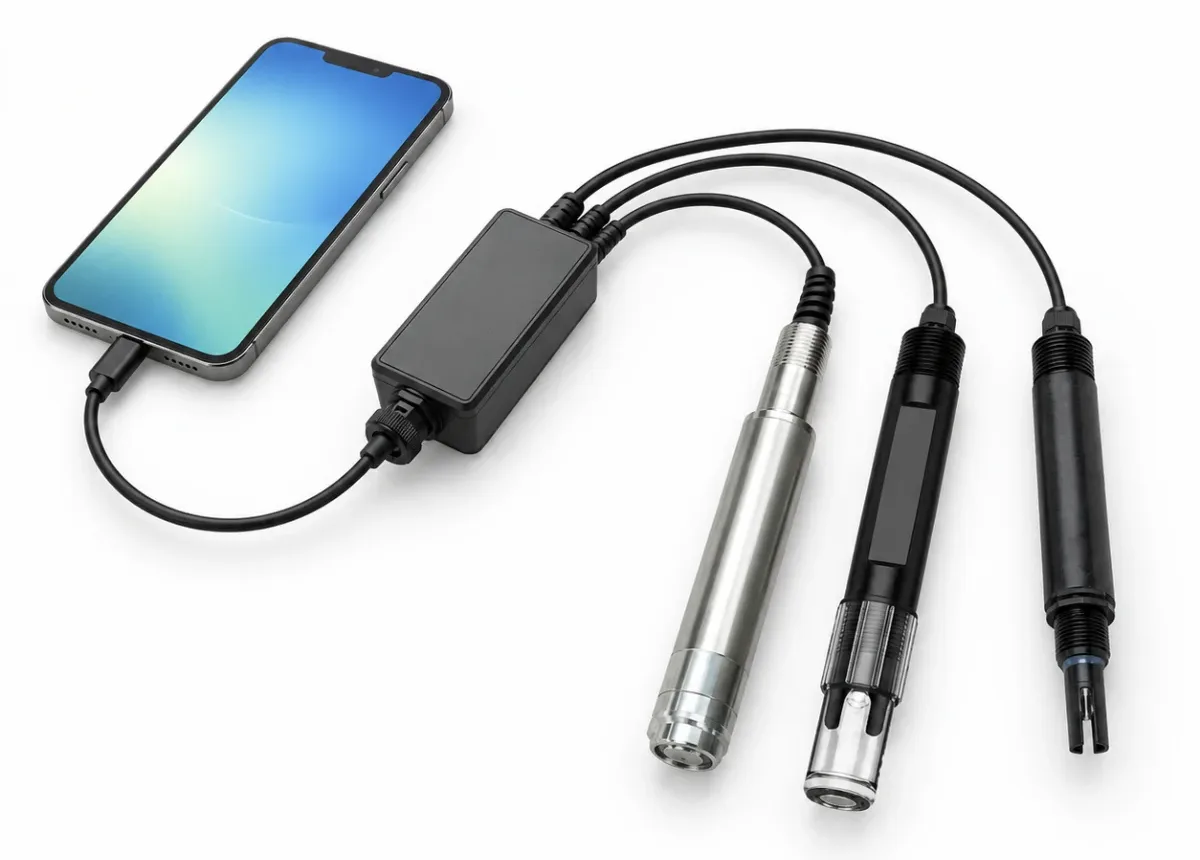
One controller reads every parameter the farm manages
AquaOS is sensor-agnostic, so any modern industrial probe can feed it. These are the ones built for aquaculture water: they share a controller, and every reading arrives bound to the growing unit the probe sits in.
-
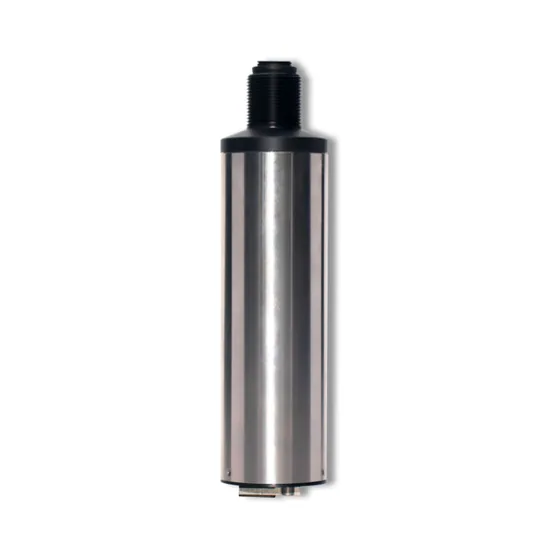
Dissolved oxygen
Self-cleaning brush, salinity and pressure compensated.
-
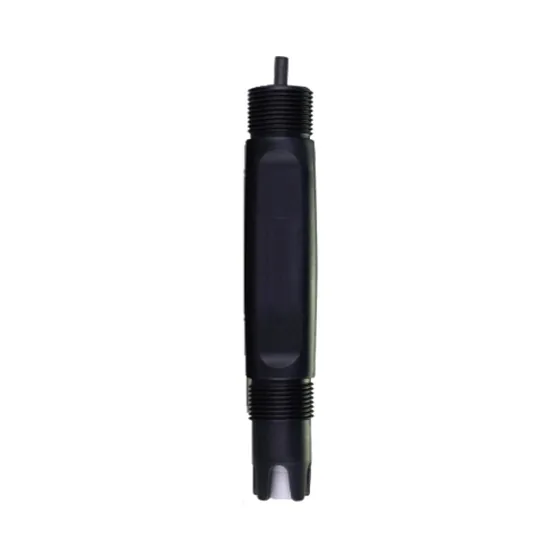
Ammonia
Ion selective electrode, continuous and temperature compensated.
-
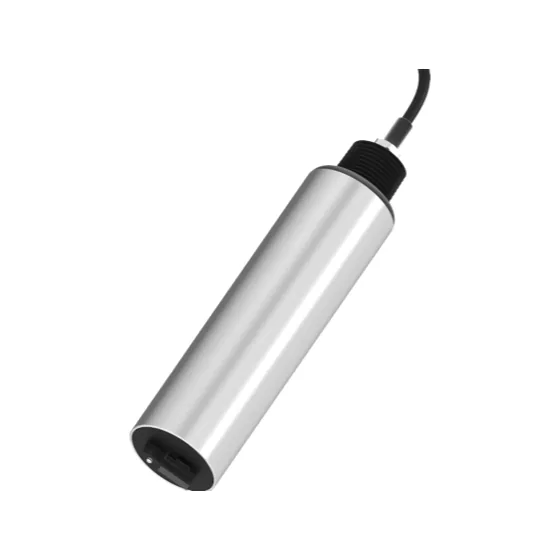
Turbidity
Self-cleaning, for water clarity in ponds and tanks.
-
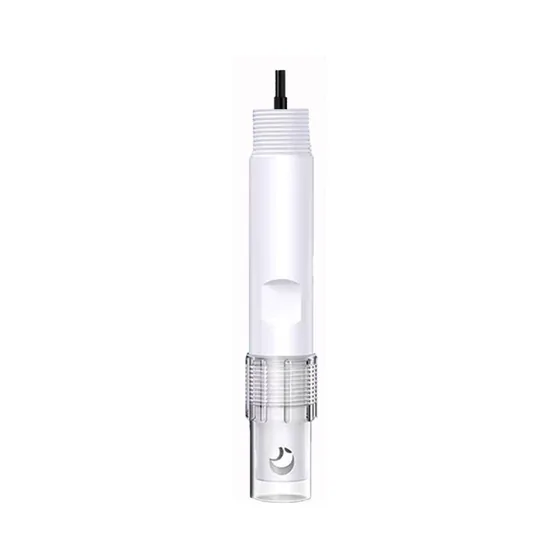
ORP
Oxidation reduction potential, industrial housing.
-
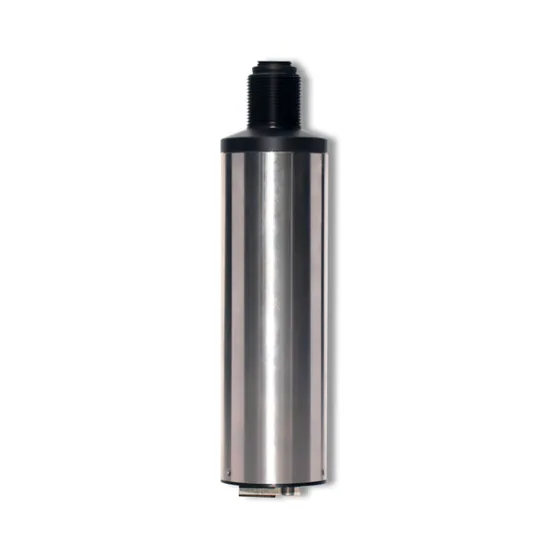
Chlorophyll
Algal concentration, measured continuously in place.
-
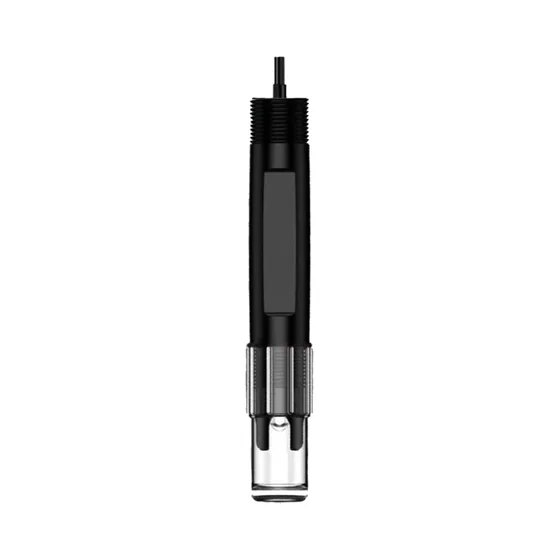
pH
Digital probe for continuous in-water measurement.
-
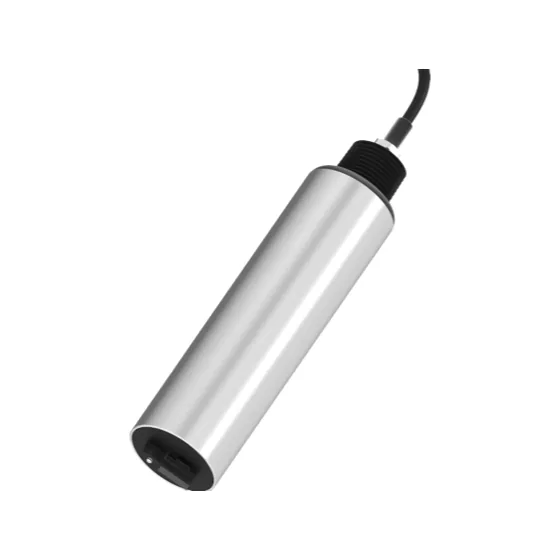
Suspended solids
Self-cleaning, for solids load in RAS and effluent.
-
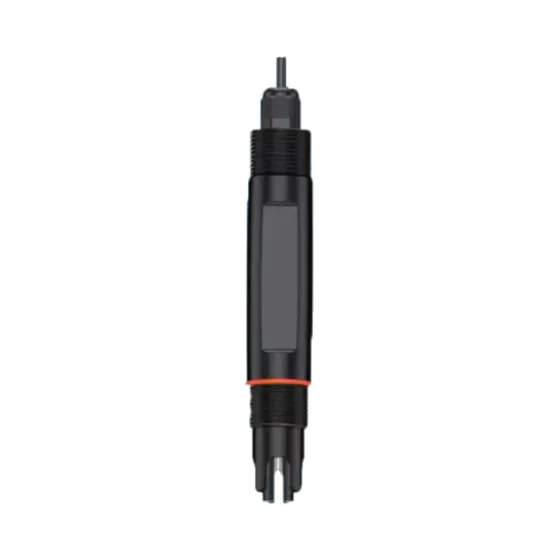
Conductivity and salinity
Digital conductivity for brackish and marine water.
-
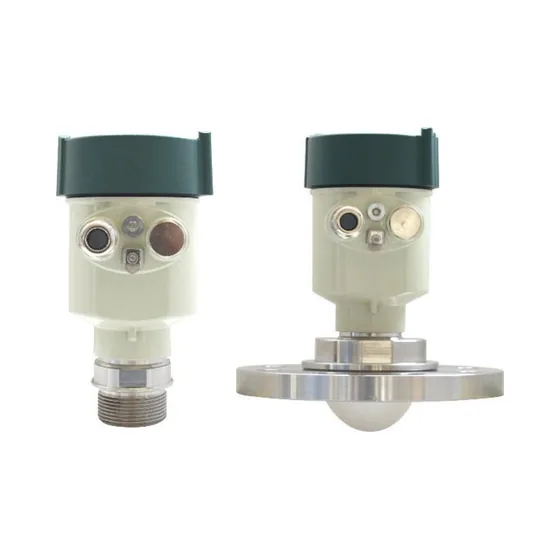
Radar level
Water level and feed silo level, non-contact, to 120 m.
Ammonium, nitrite and nitrate use the same ion selective probe body, and flow and level meters connect the same way. If a parameter matters to your operation and is not shown here, ask.
See the hardware layerWhat a spreadsheet and a sensor dashboard cannot do
Numbers that hold up when a bank or an auditor asks
Feed conversion in money, not only in kilos
Every kilo fed is priced from the feed lot it came from, so the pond report carries feed cost per kg gained next to the FCR. The figure states whether it was built from lot cost or item cost.
Close the month and it stays closed
Once a manager signs off on a month, nothing can be backdated into it. Not from the office, not by accident, not when somebody spots a gap in March. The stock count you reported is the one that stays on file.
Treated fish cannot be sold until the withdrawal clears
Record a treatment and the withdrawal period is enforced on every harvest and every sale, instead of living on a whiteboard. Split the pond and the clock follows both halves, so a traceability question has an answer.
Set up for your species, your stages and your crew
Your species and your stages, not a fixed list
Tilapia, vannamei, carp, trout, barramundi or whatever you stock, each with your own stages, pond and tank types, feed tables and alarm thresholds. Nothing is hardcoded to one species.
The crew and the office can read it in different languages
Screens and printed reports are translated, right-to-left included. A worker logs mortality at the pond in one language and the owner reads the report in another, off the same record.
Start on one pond, run a group on the same record
A pilot pond and a group holding its farms as subsidiary accounts run on the same setup. Going live means defining sites and units, species and the feed table, and loading current stock, so the first feeding is recorded in days rather than after an implementation project.
Who is behind it, and what happens to your data
Built on a working fish farm, not from a requirements list
Splitting a pond, running a grading day and putting two batches in one tank are ordinary operations here, because the system came out of doing them every week.
The sensors and the software come from the same company
One company is answerable for a dissolved oxygen reading getting from the pond to the report. No integration contract, and nobody to point at but us.
The API is not behind an upgrade
A documented REST API covers sites, units, sensors, readings, batches and events, with token authentication, on every plan. Push the record into your own ERP, accounting or BI. The feed costing and the month close already happened here.
Frequently asked questions
What is AquaOS?
AquaOS is aquaculture production management software. It tracks batches from stocking to harvest, generates and records daily feeding, logs mortality, runs sorting sessions, ingests continuous water quality readings from field sensors, and produces per-pond production reports. It runs in the cloud and is used through a web workspace and a mobile app.
Who is AquaOS for?
Hatcheries, shrimp farms, recirculating aquaculture systems, and inland fish farms, from a single pilot pond to a group running several farms as subsidiary accounts under one parent. Access is scoped by account, department and function, and every write that moves fish is logged, so the same record serves the crew at the pond and the review at head office.
Does AquaOS require buying new sensors?
No. AquaOS is sensor-agnostic. Any modern industrial sensor connects through the controllers and is configured in the platform rather than requiring a firmware change. Existing hardware stays in service. AquaOS can also be run purely on manually entered production data, with sensors added later.
How does AquaOS handle ponds with no network coverage?
Controllers are cellular-native, so a remote pond needs no site network or Wi-Fi. When cellular drops, readings are buffered locally on the controller and delivered when the link returns, so the record has no gap.
Can data be exported or pulled into other systems?
Yes. Reports export to Excel and print-ready PDF. A documented REST API with token authentication covers sites, growing units, sensors, readings, batches, and events, so production data can be pulled into a BI tool, an ERP, or an accounting system.
What does AquaOS cost?
Pricing depends on the number of sites, growing units, and connected devices. Pricing is quoted per operation after a demo, so the quote reflects the actual deployment rather than a headline tier.
See AquaOS on your operation
Bring a real production scenario. AquaOS is walked through on your operation, not a canned dataset.